

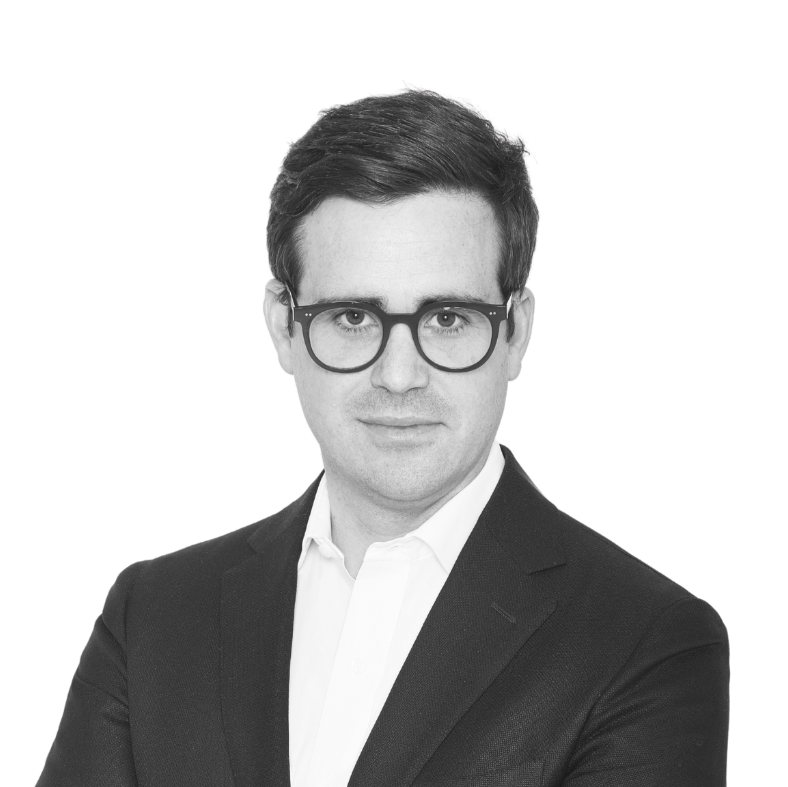
Michael Henry, Managing Partner, spoke with Hunt Scanlon Media about the evolving role of the CHRO and how organizations can build inclusive talent pipelines.
As expectations for HR leaders expand, organizations need CHROs who can connect workforce decisions to business strategy, guide how work and capabilities evolve, and help prepare the next generation of leaders.
The conversation explores what this shift means for executive search and why building inclusive pipelines takes a deliberate, long-term approach.
Key Takeaways
The CHRO role is now enterprise-wide
Today’s CHRO connects workforce strategy with business goals, organizational design, and future growth.
AI is reshaping the work of HR
CHROs are increasingly expected to help determine how work is organized, which capabilities need to be developed, and where technology can improve performance
Business judgment complements HR expertise
Organizations value leaders who understand the business model and can connect workforce decisions to strategic and financial outcomes
Inclusive pipelines require sustained effort
Progress starts with understanding current representation and succession gaps, then building development and search processes around clear, consistent criteria
Read the full Q&A below.
How has the role of the CHRO evolved over the past few years, and what qualities are organizations prioritizing when recruiting for that seat?
Over the past few years, the role of the CHRO has expanded well beyond the traditional oversight of talent programs, employee relations, compensation, and organizational policy.
While these responsibilities remain important, today’s CHRO is increasingly expected to serve as an enterprise-wide strategic partner, helping the organization anticipate change, build the workforce capabilities required for future growth, and translate business strategy into decisions about people, structure, and leadership.
"Several forces have accelerated this evolution. AI and automation are reshaping how work is performed, talent shortages are making critical capabilities more difficult to secure, and changing employee expectations are challenging traditional approaches to careers, leadership, and workplace design."
At the same time, organizations are facing heightened pressure to improve productivity, manage transformation, and prepare for skills that may not yet exist at scale within the business.
How is AI impacting the HR function? What does that mean for the kind of HR leaders organizations are looking for today?
The CHRO is increasingly becoming a workforce architect.
Rather than focusing primarily on filling existing roles, the CHRO must help determine how work should be organized, which capabilities should be developed internally, where external expertise is required, and how technology can enable stronger performance. This includes rethinking job design, career pathways, succession planning, talent assessment, leadership development, and organizational structures. It also requires creating environments in which expertise and leadership can emerge at multiple levels, rather than relying solely on position or tenure.
When recruiting for the CHRO seat, organizations are prioritizing a broader and more commercially oriented leadership profile. Strong functional HR expertise remains foundational, but it is no longer sufficient on its own
Boards and executive teams are looking for leaders who understand the business model, can connect workforce decisions to financial and strategic outcomes, and are comfortable operating alongside the CEO and other enterprise leaders.
The role has shifted from managing the people function to actively shaping the future of the enterprise.
What advice would you give to a CEO or board that is serious about diversifying their leadership team but doesn't know where to start?
The first step is to understand the organization’s current position. Before beginning a search, CEOs and boards should take an inventory of the leadership team and the succession bench beneath it.
That includes examining not only demographic representation, but also diversity of professional experience, perspective, geography, industry background, and leadership style.
This assessment can help an organization identify where representation is limited, where succession pipelines may be too narrow, and which capabilities or perspectives will be increasingly important to the business.
Diversity should be connected to the organization’s broader strategy rather than treated as a separate hiring initiative.
It is also important to establish what success will look like. A general intention to improve diversity is difficult to translate into action. Boards and executive teams should agree on the gaps they are trying to address, how those gaps relate to the organization’s future needs, and how progress will be measured over time. Engaging an executive search or leadership advisory firm can be valuable at this stage.
The right partner can bring an external perspective, challenge assumptions embedded in the role profile, and help the organization understand how its requirements may be affecting the available candidate pool.
The search process itself should be designed deliberately.
Organizations should:
- Review whether the role criteria are genuinely essential
- Ensure the candidate pool is developed through more than personal referrals
- Use consistent assessment criteria across all candidates
A structured process helps decision-makers focus on leadership capability and potential rather than familiarity.
Organizations should think beyond a single appointment. Diversifying leadership is a long-term process that includes succession planning, internal development, and ongoing relationship-building with prospective talent.
À propos de Massey Henry
Executive Search, Coaching, Assessment, and Advisory Services
Ranked among Canada’s Top Growing Companies by The Globe and Mail and named one of Canada’s Best Executive Recruiting Firms by Forbes, Massey Henry is one of North America’s leading executive search and board advisory firms focused exclusively on the financial services sector. With an experienced team of former industry leaders and talent management specialists, the firm combines innovative technology with in-depth sector expertise to provide clients with full-scope executive search, talent assessment, coaching, and leadership advisory services.
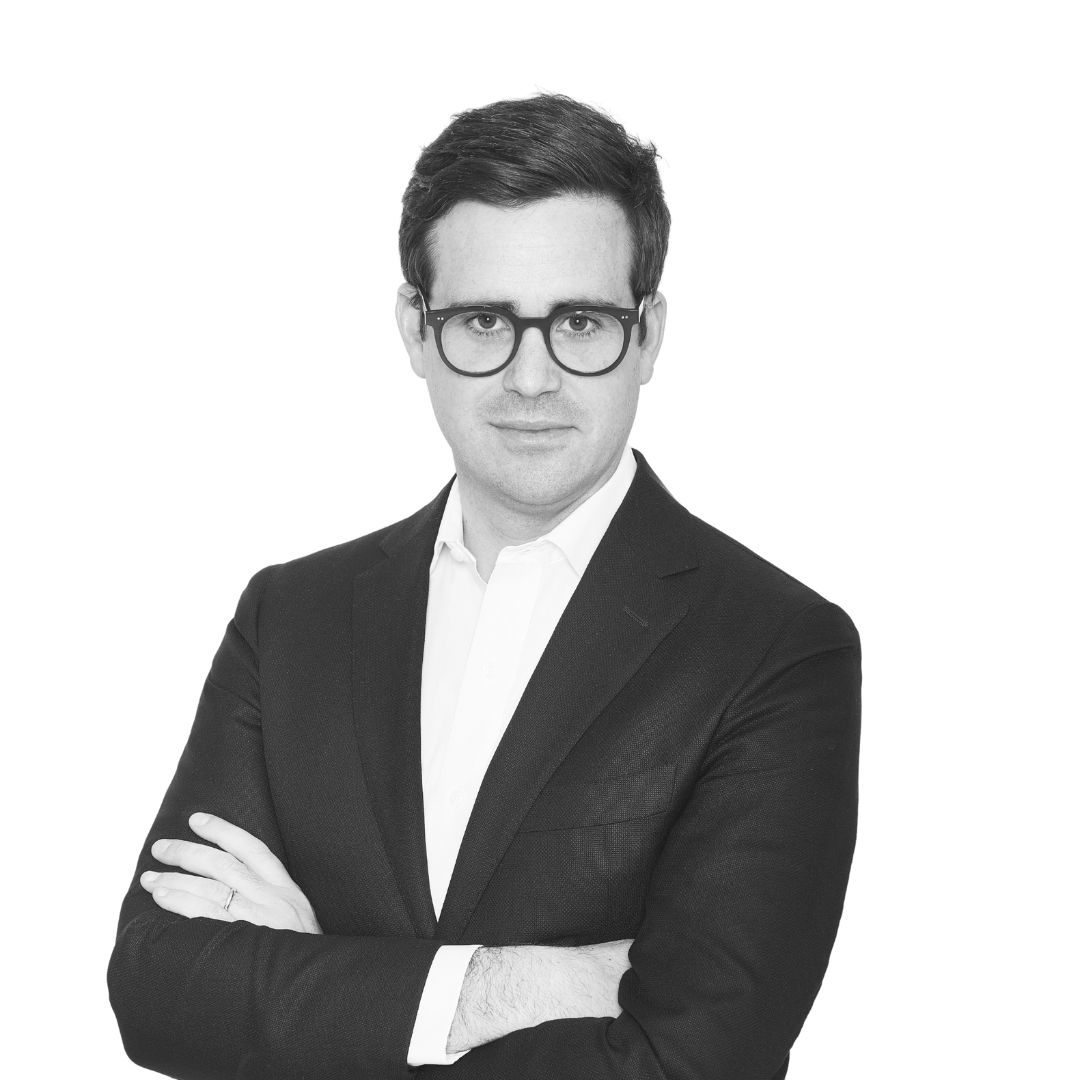
Michael Henry
Managing Partner, Massey Henry
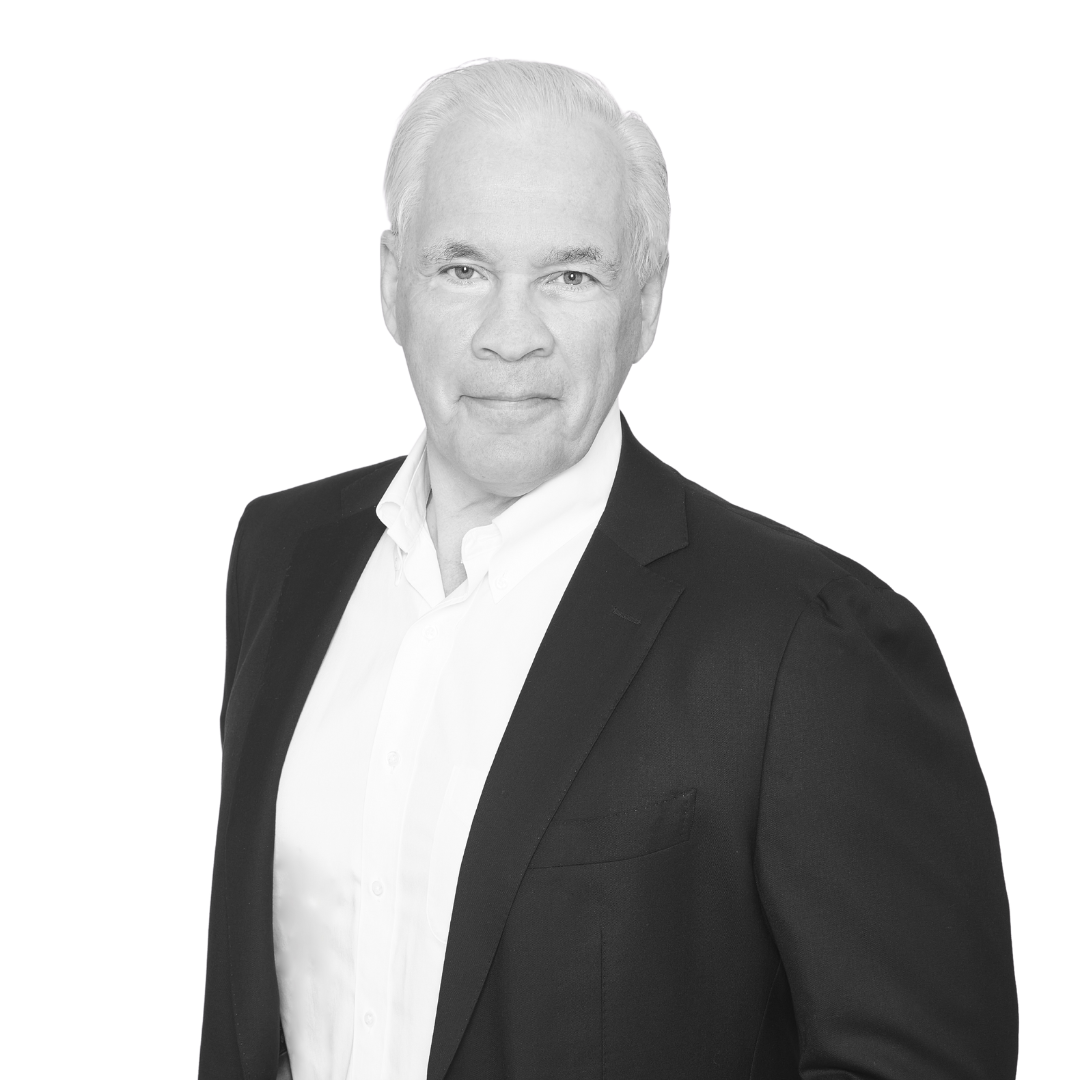
John Sanders
Senior Partner

Jeff Hauswirth
Senior Partner, Board & CEO Services

Lisa Newey
Partner