

Introduction
The Chief Executive Officer (CEO) plays a crucial role in shaping an organization’s strategy, culture, and long-term sustainability. However, despite the role’s significance, many organizations remain unprepared for CEO succession.
Unexpected departures, whether due to illness, performance concerns, external opportunities, or changing business needs, can leave a company exposed. A well-designed CEO succession plan supports continuity, reduces risks, and strengthens stakeholder confidence.
Organizations are placing greater pressure on CEOs and acting faster when expectations aren’t met. CEO departures in major markets like the S&P 500 rose sharply, with turnover increasing more than 20% in a single year.
Harvard Law School Forum on Corporate Governance (2024)
22% of HR leaders reported that their organization had a formal succession plan.
Society for Human Resource Management, Talent Management Executives Benchmarking (2025).
Our latest report examines the board’s role in CEO succession planning, key challenges within the process, and the best practices to support an effective leadership transition.
Executive Summary
CEO succession planning is one of the board’s most important governance responsibilities, yet it is often treated as a longer-term priority until a transition becomes urgent.
As CEO tenure shortens and organizations face growing pressure from market, regulatory, technological and stakeholder change, proactive succession planning has become essential to leadership continuity and organizational resilience.
Utimately, strong CEO succession planning helps organizations reduce transition risk, sustain performance and build confidence among stakeholders during periods of leadership change.
This report explores:
The board’s role in CEO succession planning
Key challenges that can make the succession process difficult
Short-term performance pressure, board alignment, the balance between internal and external candidates
Key elements of effective CEO succession planning
Defining future leadership requirements, building a strong executive talent pipeline, and managing succession as an ongoing governance discipline
From Our Network:

Leadership succession is a core pillar of organizational governance. Succession across critical roles should be an ongoing strategic priority, embedded in regular talent and performance discussions, and not treated as a moment-in-time exercise.
Key Challenges in
CEO Succession Planning
While the board’s responsibility is clear, effective CEO succession planning is often complex in practice. Competing priorities, shifting strategic needs, and the sensitivity of leadership development can make it difficult to maintain momentum over time.
Building Alignment Around the Future CEO Profile
Board Chairs play a critical role in ensuring alignment among directors on the organization’s strategy, future leadership requirements, and desired CEO profile.
This requires ongoing discussion about the competencies, experience, and leadership qualities the next CEO will need. Given the pace of economic, technological, and business model change, the future CEO may require a different set of capabilities than the incumbent.
Managing Confidentiality and Transparency
Outreach efforts can be highly effective; however, careful judgment around confidentiality is important. Too much secrecy can create mistrust among senior leaders, while too much openness can make the process feel overly competitive or predetermined.
Boards must strike the right balance: maintaining discretion while ensuring the process is credible, fair, and aligned with the organization’s long-term needs.
Assessing Internal and External Candidates
Organizations often find it difficult to balance internal candidate development with the need to consider external talent.
Internal candidates bring cultural awareness and institutional knowledge, while external candidates can offer new perspectives and skills. To manage this effectively, the board must take a deliberate approach to identifying and developing both internal and external leadership talent.
This may include directors inviting internal high-potential leaders to strategic off-sites, creating board exposure, and maintaining relationships with potential external candidates through annual general meetings or industry events.
Without a structured approach, boards may default to familiar candidates, either high-potential internal or external executives already known to directors. This is especially true during an unexpected CEO departure.
Balancing Short-Term Performance with Long-Term Leadership Needs
Boards are accountable to a growing range of stakeholders and often face significant pressure to deliver short-term financial and operational results. This can create tension between immediate performance expectations and the need to maintain long-term leadership stability.
If the balance between economic performance and leadership succession is not managed effectively, organizations can become vulnerable if a CEO departs earlier than expected.

Cultural alignment is the single largest contributor to either CEO success or CEO failure — and yet it’s incredibly difficult to measure. You can assess technical skills, but culture is the unwritten rules of how things actually get done. Boards are being asked to evaluate something that’s inherently intangible, while also projecting what that culture needs to become in the future.
A Strategic Framework for CEO Succession
Effective CEO succession planning requires a continuous, structured approach that is closely connected to the organization’s strategy, leadership needs and broader talent agenda.
Boards should focus on three core practices:
1
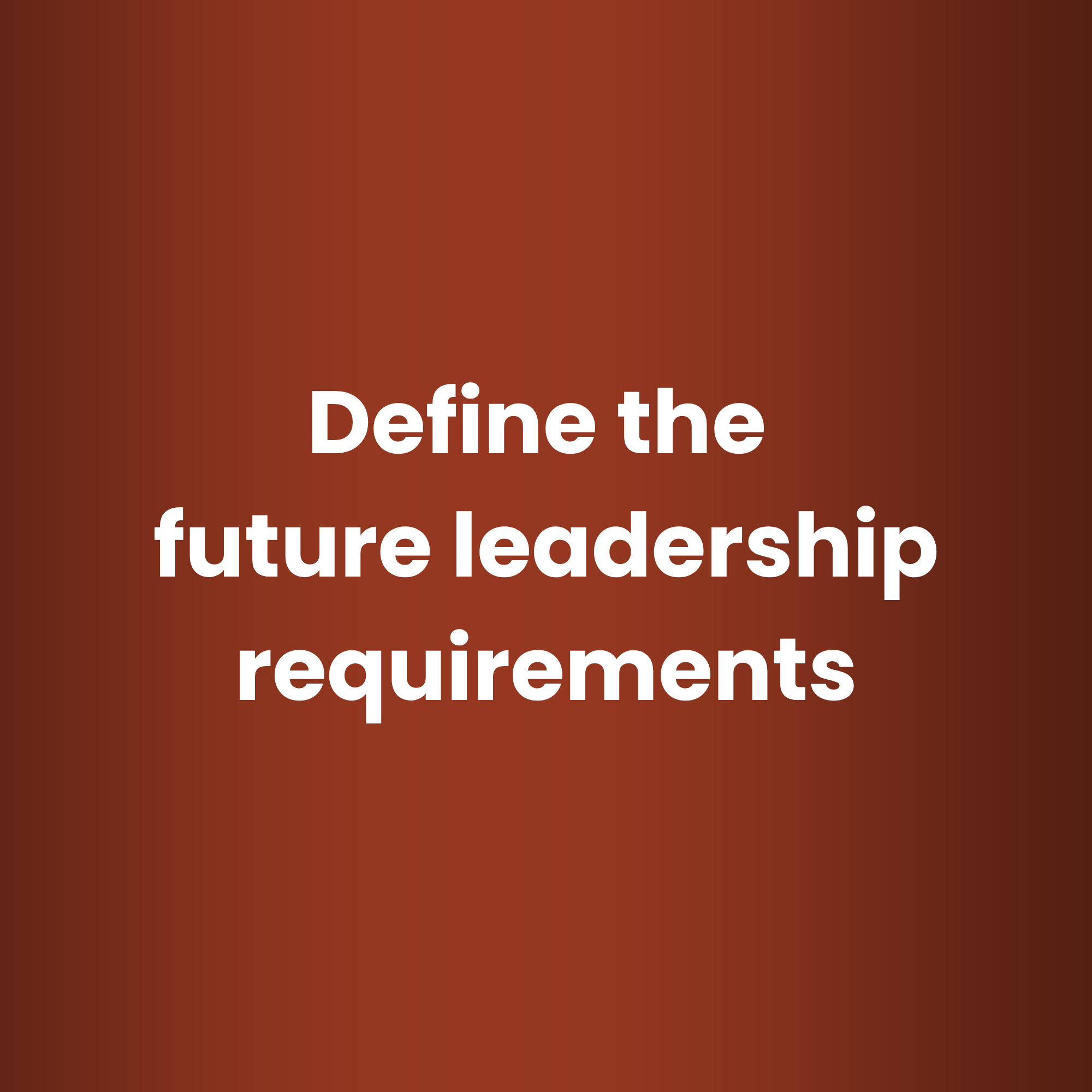
Define the Future Leadership Requirements
Succession planning should be closely aligned with the organization’s long-term strategy.
The board must identify the competencies, experiences, and leadership qualities required to address future challenges. These goals and objectives should be regularly reviewed and amended as necessary to reflect changing business priorities and talent needs.
2
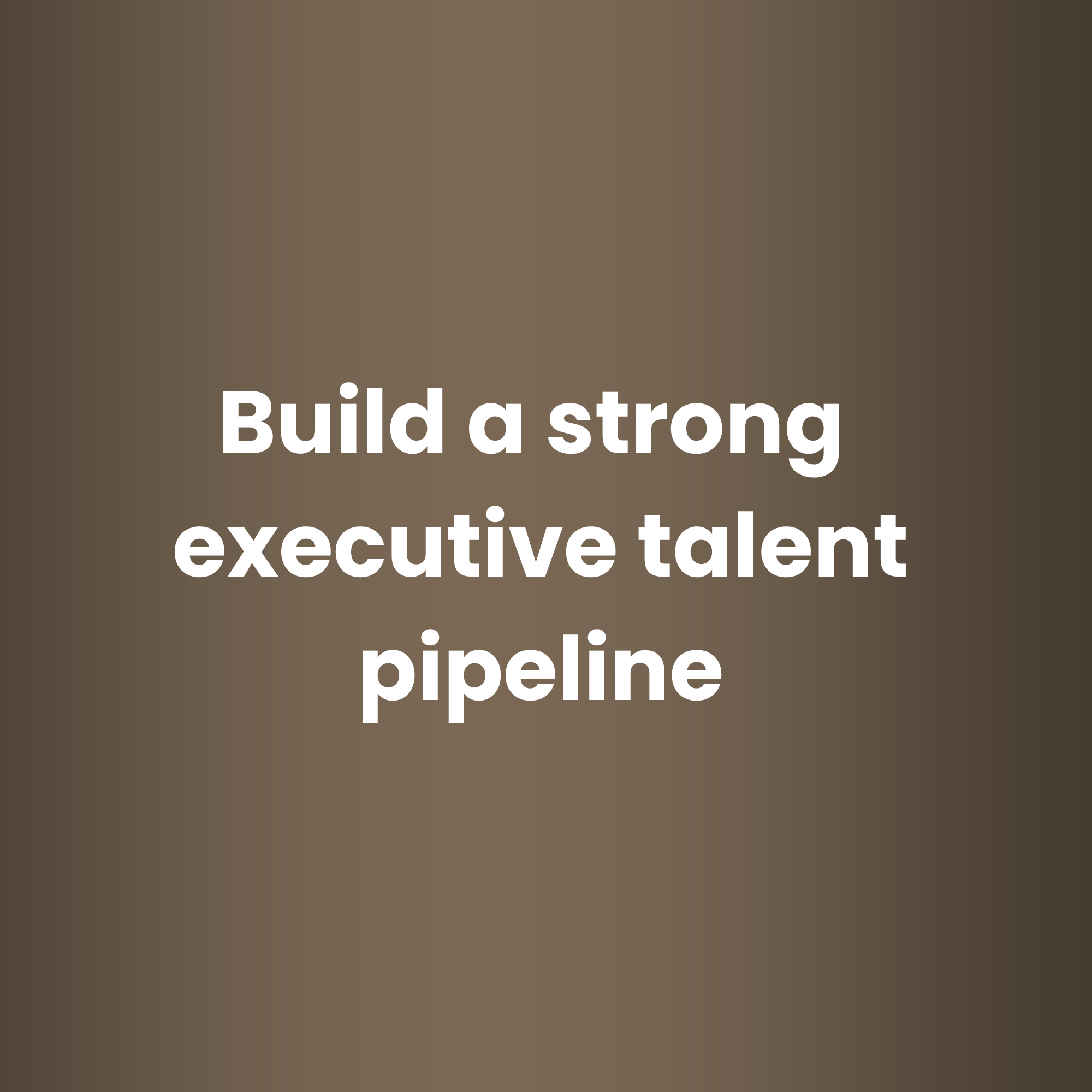
Build a Strong Executive Talent Pipeline
Effective succession planning should extend beyond the CEO role to include the broader executive leadership team.
Coordination among the board, the human resources and compensation committee, and human resources is essential. Organizations should regularly assess and develop high-potential leaders across functions to ensure they are building the experience, exposure and enterprise perspective required for future leadership roles.
Investing in leaders’ personal and career growth is key for building and maintaining a strong talent pipeline.
This may include:
- Stretch Assignments
- International Rotations
- Executive Coaching
- Individual Development Plans (IDPs)
3
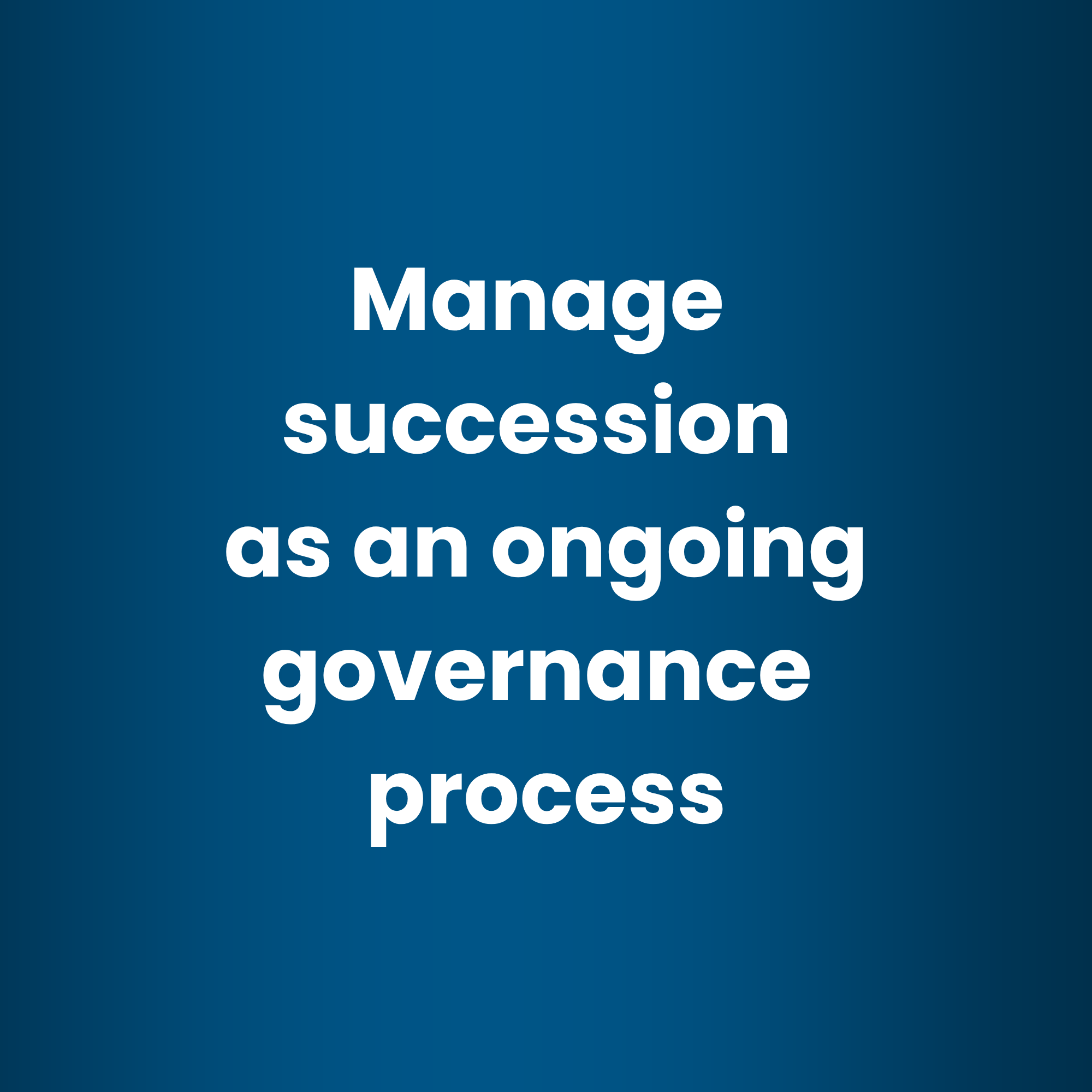
Manage Succession as an Ongoing Governance Process
Succession planning is not a one-time exercise conducted near the end of an incumbent CEO’s term.
Boards should revisit succession plans at least twice a year to ensure changes in strategy, market dynamics, and progress in candidate development are incorporated. Regular reviews ensure the plan remains relevant and actionable.
The board chair, human resources and compensation committee, and human resources team should view succession planning as an integral part of the organization’s broader governance and risk management responsibilities.
Looking Ahead
Making Succession Planning a Governance Discipline
CEO succession planning is both a strategic necessity and a core governance responsibility. Poor financial performance, strategic drift, and stakeholder uncertainty are the most common risks of inadequate and delayed succession planning.
Organizations can strengthen their succession efforts by:
Ensuring board alignment on future leadership requirements
Identifying both internal and external candidates an ongoing basis
Building a comprehensive leadership development process
Regularly reviewing succession plans as strategy and market conditions evolve
Planning for transitions well before a change in leadership is required
The current CEO also has an important role to play, especially when the organization is undertaking a significant strategic or operational change. The CEO can offer unique insights into future leadership needs and can help identify internal leadership talent best positioned to support the organization’s evolving business model.
Ultimately, effective CEO succession planning helps strengthen leadership continuity, sustain organizational performance, and build stakeholder confidence in the organization’s ability to navigate a complex and dynamic business environment.
About Massey Henry
Executive Search, Coaching, Assessment, and Advisory Services
Ranked among Canada's Top Growing Companies by The Globe and Mail and named one of Canada’s Best Executive Recruiting Firms by Forbes, Massey Henry is a leading executive search and board advisory firm focused exclusively on serving the financial services sector. Massey Henry is one of North America’s leading executive search and board advisory firms focused exclusively on the financial services sector. With an experienced team of former industry leaders and talent management specialists, the firm combines innovative technology with in-depth sector expertise to provide clients with full-scope executive search, talent assessment, coaching, and leadership advisory services.

Michael Henry
Managing Partner, Massey Henry

John Sanders
Senior Partner

Jeff Hauswirth
Senior Partner, Board & CEO Services

Lisa Newey
Partner