

In a recent Q&A, we spoke with Helen Bobiwash, Corporate Director with the Building Ontario Fund and First Nations Financial Management Board, about her perspective on how financial institutions are advancing reconciliation, and her personal connection to the National Day for Truth and Reconciliation.
Helen also shares thoughtful guidance on how Canada’s financial services sector can create more pathways for representation and reconciliation in corporate governance.
Below are some highlights from our conversation.
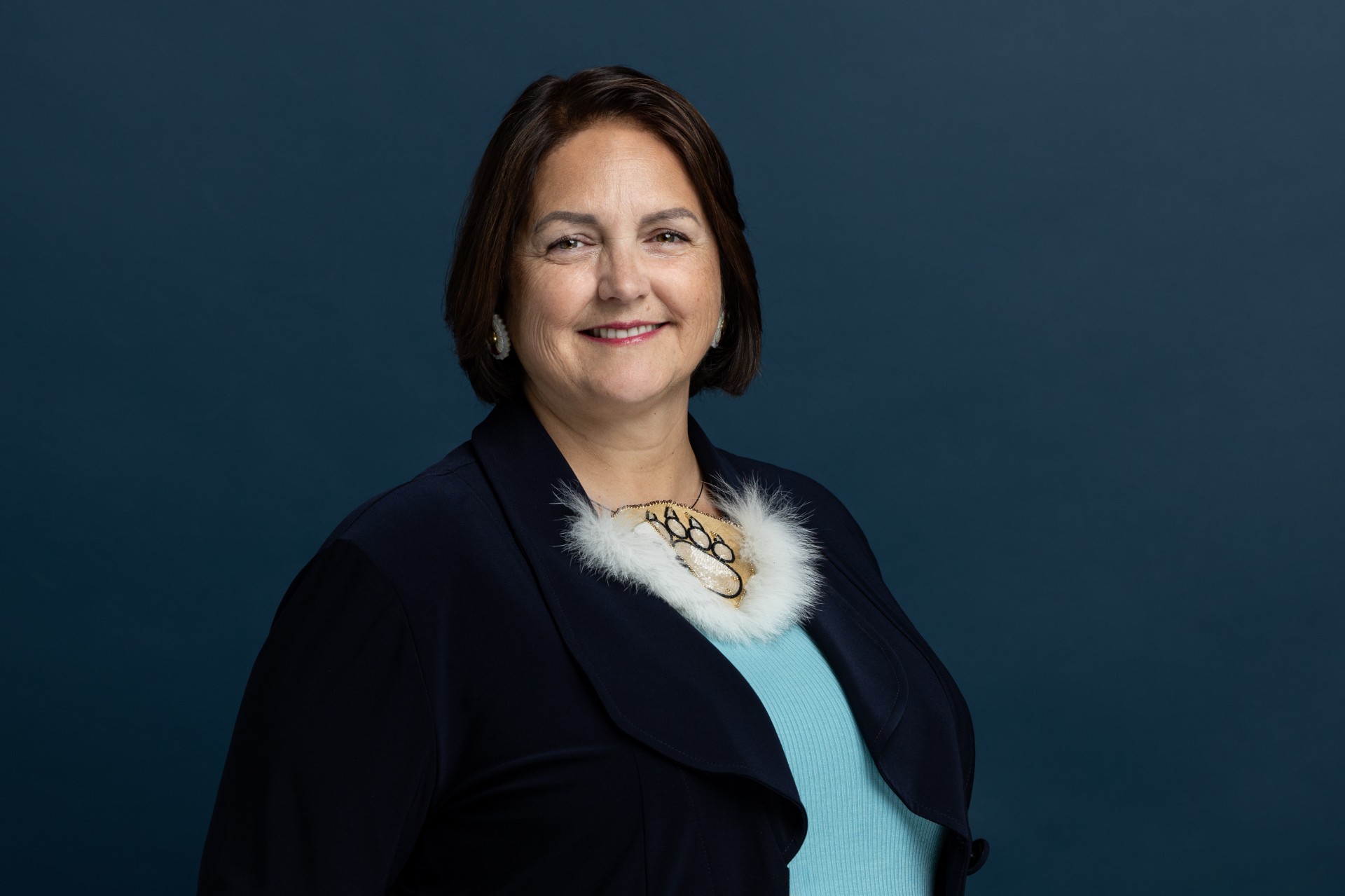
The most impactful perspective that I see in how corporate Canada understands and integrates Indigenous perspectives into governance, is the concern for the environment. Corporations that implement environmental sustainability practices contribute not only to long-term eco-system resilience, but the long-term sustainability of the corporation and the local communities where the corporation operates. I am seeing recognition in the value of having Indigenous people at the governance level.
1. The Truth and Reconciliation Commission issued specific Calls to Action for corporate Canada. From your perspective, where are financial services organizations and boards making meaningful progress?
I see financial services organizations making efforts to employ Indigenous people and provide scholarships for the education opportunities of Indigenous people. For example, Mastercard Foundation just announced a $235 million investment to support 30 post-secondary institutions and Indigenous organizations across Canada Investment in Indigenous capital is increasing. Also, Block Impact Investments was the first private corporate investor in the Indigenous Growth Fund, for which I am on the Investment Committee. Investors are buying Indigenous debentures from the First Nations Finance Authority. Cedar Leaf Capital are joining bond syndicates – it's an exciting time.
2. As we recognize the National Day for Truth and Reconciliation, what does this day mean to you personally and as a director?
It is a solemn day for Indigenous people, and it may be triggering for some. I take time for myself and for my family to remember those who attended Indian Residential Schools. I am thankful for their resilience, which has enabled me to be here today.
3. What shifts are you seeing in how corporate Canada understands and integrates Indigenous perspectives into governance? Where is there still more work to be done?
The most impactful perspective that I see is the concern for the environment. Indigenous peoples are stewards of the lands and waters. Corporations that implement environmental sustainability practices contribute not only to long-term eco-system resilience, but the long-term sustainability of the corporation and the local communities where the corporation operates. I am seeing recognition in the value of having Indigenous people at the governance level. Resource extraction companies are actively entering partnerships with First Nations. This includes equity ownership and giving them a seat at the board.
More work is needed in the recruitment of Indigenous people who have the technical or governance skills to meaningfully contribute to board deliberations. Many Indigenous people have the skills, but they haven't been able to reach the governance level.
4. What advice would you offer to corporate leaders and directors on embedding reconciliation into strategy and decision-making?
Explore why reconciliation is important to you and your corporation. For example, ask yourself:
Has your company or industry benefited from the maltreatment of Indigenous peoples – such as, by supplying the Indian residential school system, the Indian day school system, and many more harms?
Are Indigenous people a market segment of yours or your customers or clients? Do your operations involve development on the traditional territories of First Nations communities?
Consider not only the risks associated with Indigenous rights, but also the opportunities to partner with Indigenous communities to grow your operations, access a labour pool, and increase profitability.
Start engaging with First Nations early in the exploration and development of a project. Take the time to build a meaningful relationship with them, understand their priorities, and discuss how their priorities may be addressed while mitigating their concerns about community and environmental impacts.
About Massey Henry
Executive Search, Coaching, Assessment, and Advisory Services
Massey Henry is one of North America’s leading executive search and board advisory firms exclusively serving the financial services sector. With an experienced team of former industry leaders and talent management specialists, the firm combines innovative technology with in-depth sector expertise to provide clients with full-scope executive search, talent assessment, coaching, and leadership advisory services.

Michael Henry
Managing Partner, Massey Henry
John Sanders
Senior Partner, Board & CEO Services

Lisa Newey
Partner

Rachel Liem-Smith
Principal